How Vehicle Brand Shapes the Car Key Replacement Process
Every automaker approaches key security differently, which is why brand matters so much when you need a replacement. General Motors vehicles — Chevrolet, GMC, Buick, Cadillac — have used a range of transponder types, from the older VATS resistor pellets found in 1990s models to the newer rolling-code proximity fobs in current trucks and SUVs. Ford and Lincoln rely heavily on their PATS (Passive Anti-Theft System), and many late-model Fords require two working keys present during programming — something most drivers don't know until they're already down to zero. Chrysler, Dodge, Jeep, and Ram platforms use their own immobilizer protocols, and a number of their models require a dealer-level J2534 programming tool to write a new key to the vehicle's ECU. Our technicians carry the professional-grade, OEM-compatible equipment to handle all of these scenarios without dealership involvement.
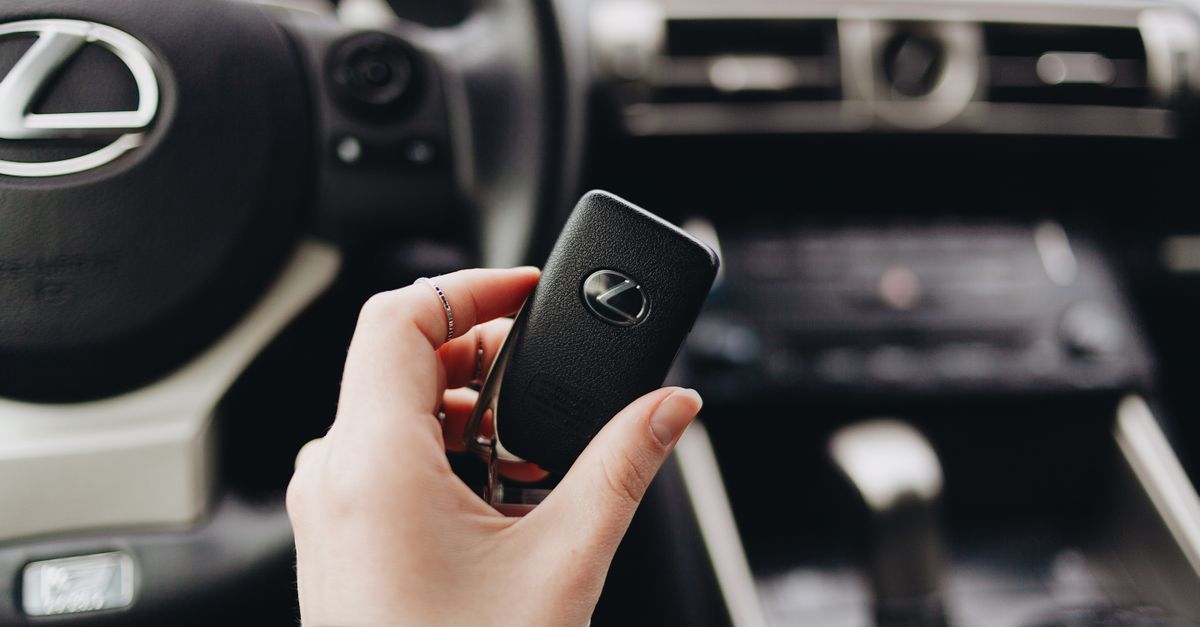
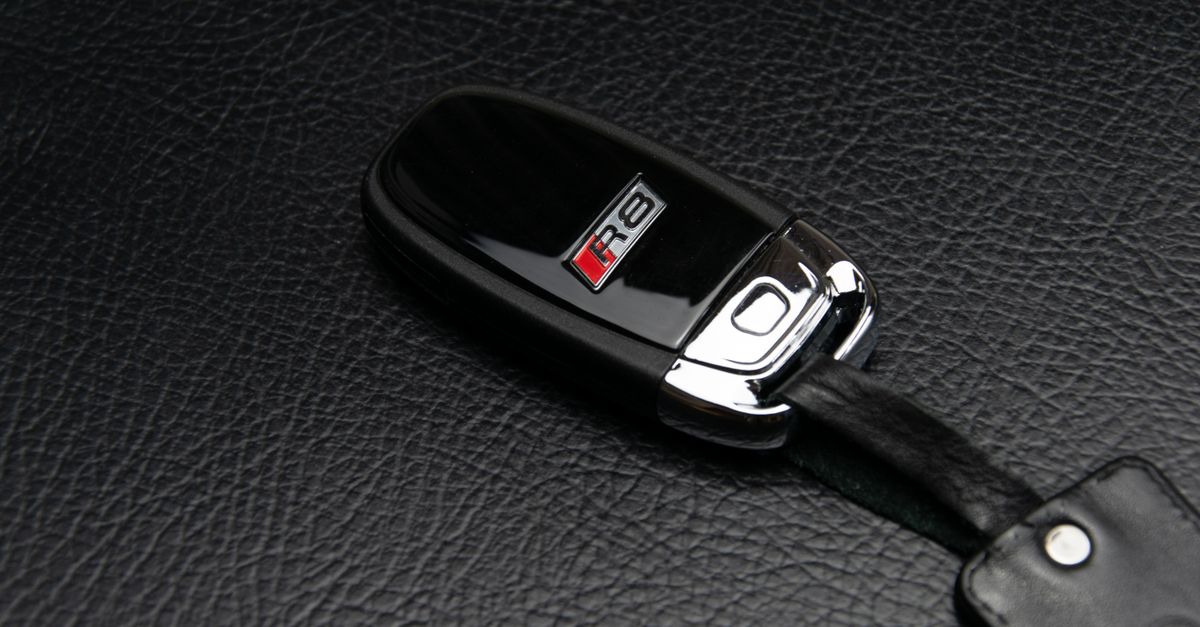
Import brands add another layer of variation. Toyota and Lexus proximity keys use a sophisticated encryption handshake that must be matched precisely to the vehicle's ECU and body control module. Honda and Acura fobs are programmed through a combination of ignition-cycle sequences and dedicated software, depending on the model year. Hyundai and Kia have transitioned heavily to push-to-start systems that require on-board diagnostics programming rather than simple key cutting. European makes — BMW, Mercedes-Benz, Audi, Volkswagen — often use blade-style flip keys or card-type proximity fobs with multi-layer encryption, and a single mistake during programming can lock out the module entirely. When you call (704) 850-6756, we identify your exact year, make, model, and trim before our technician arrives, so the right blank and the right software are already loaded in the van.