What Is a Mortise Lock and Why Does It Fail?
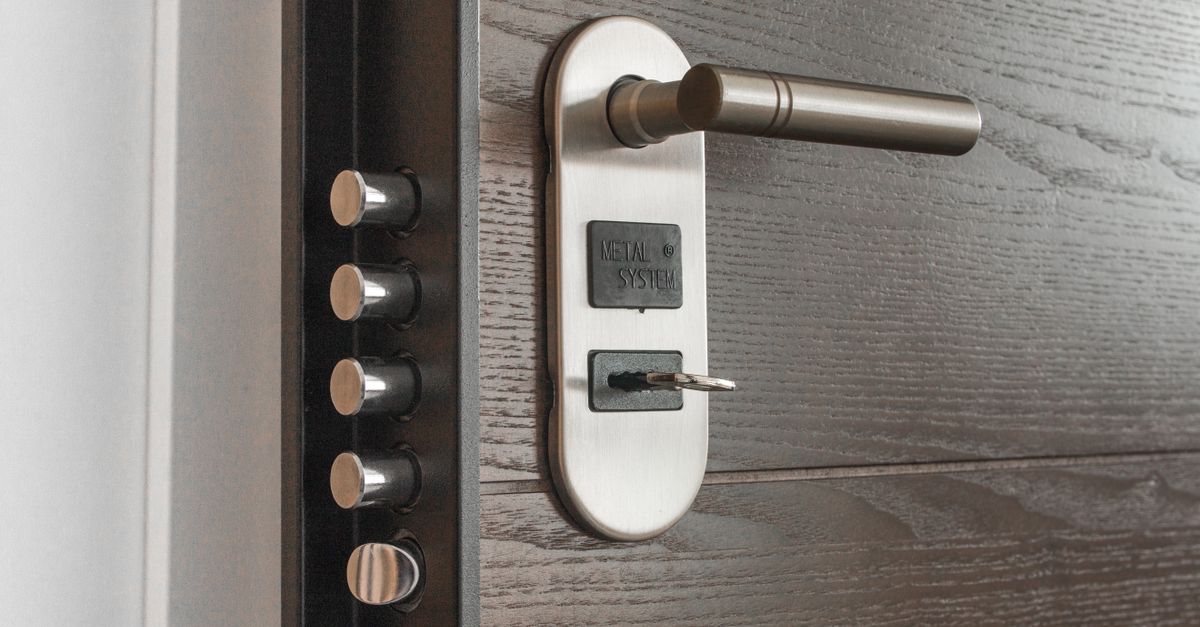
A mortise lock is a self-contained unit — housing the latchbolt, deadbolt, strike mechanism, and sometimes a privacy lever all in one steel or cast-iron body — that sits inside a mortise, or pocket, chiseled into the door's edge. Because the mechanism is recessed into the wood rather than attached to the face of the door, it distributes force across a much larger area than a standard cylinder lock, which is why mortise hardware has long been the preferred choice for solid-wood entry doors, heavy commercial applications, and exterior doors that see heavy foot traffic. The trade-off is complexity: a mortise lock set contains springs, cams, levers, and tailpieces that interact precisely, and any one of those parts can wear, corrode, or break over time. In older Shavano Park homes that were fitted with original 1970s or 1980s hardware, rust from our South Texas humidity is one of the most common culprits — it stiffens internal springs until the latchbolt stops retracting or the deadbolt throws only halfway.
Other failure modes we see regularly include worn cam followers that cause the handle to spin freely without engaging the latch, stripped tailpieces between the mortise lock cylinder and the body, cracked chassis from forced-entry attempts, and misalignment caused by wood doors that have swelled during rainy seasons. Sliding door mortise lock failures are another frequent call — the hook bolt or latch on a patio mortise set takes a beating every time the panel is opened and closed, and the keeper alignment shifts as the track settles. None of these problems are quick DIY fixes; opening a mortise body without knowing its internal layout can scatter small springs and render the lock unrepairable rather than just worn.